
 Perth, WA
 Dunsborough & South West WA
 Sydney, NSW
 Melbourne, Victoria
 Sunshine Coast, QLD
 Darwin, NT

Contents
In short
Wedding photography can expose your business to damaged gear, venue claims and disputes about lost images. Before a booking, compare the venue rules and client contract with the cover you actually hold.
The four things to check first
- Venue rules: Get required covers, limits and dates in writing.
- Core cover: Review liability, camera gear and professional indemnity.
- People and extras: Declare second shooters, hired gear, travel and drones.
- Documents: Check the contract and certificate before wedding day.
If you are comparing wedding photographer insurance Australia-wide, ask for the venue’s requirements in writing before signing the contract. This guide covers common wedding photographer insurance requirements, but a policy may respond differently depending on the event, cover selected and policy wording.
Venue
Start with the wedding venue’s insurance requirements
Ask the venue or couple for the insurance requirements before you sign the contract. Confirm the type of insurance required, the minimum cover limit, the venue’s legal name and address, the deadline for providing proof, and any rules for subcontractors or drone use.
Send these details to your broker. The business name on your policy should match the business signing the contract. The policy period must also include the wedding date.

Certificate of currency
A certificate of currency for photographers shows selected policy details for a set period. Check the insured name, policy dates, type of cover and limit before sending it to the venue. The certificate does not change the policy or guarantee a claim; the insurer still applies the wording, conditions, limits, exclusions and excess.
Cover types
Which types of cover should a wedding photographer review?
Wedding photographers often need to consider more than one type of business insurance. Each cover addresses a different risk. The Australian Government has a guide to different types of business insurance.
| Type of cover | What it may help with |
|---|---|
| Public liability | May help if your work causes injury or property damage to someone else, such as a trip over a cable or damage from a light stand. |
| Camera equipment | Check where your cameras, lenses, computers and other gear are covered, including at venues and during travel. |
| Professional indemnity | May help with claims that a mistake in your services caused a client financial loss, subject to the policy wording. |
Public liability and the venue limit
Public liability may help if someone claims your work caused injuries or property damage. For example, a guest could trip over a lighting cable, or a stand could damage the venue’s floor. Ask the venue which limit it requires; no single public liability limit suits every photographer or venue.
Camera equipment and travel conditions
Check whether your policy covers camera equipment at the venue and during travel. Review replacement values and item limits, listed cameras and computers, theft-from-vehicle conditions, hired or borrowed gear, and temporary replacement hire.
Keep your equipment schedule and values current. Read the policy wording and product disclosure statement so you understand where cover applies.
Professional indemnity and service disputes
Professional indemnity may help if a client claims a mistake in your service caused financial loss. Examples include missing the booking, losing images or failing to supply the agreed work. Ask how the insurer treats your services, client contracts, data and copyright. Public liability does not replace professional indemnity, and neither section covers your own gear.
Contracts
Match your client contract with your file process
Your client contract records what you agree to provide. Review clauses about locations and shooting hours; images, editing and delivery dates; cancellations, delays and reshoots; lost or corrupted files; refunds and liability limits; and image storage, privacy and copyright.
Watch for
Watch for terms that make you responsible for losses beyond the value of your services. Ask your broker how the policy may treat those terms, and ask a qualified legal adviser to review the contract itself.
Keep more than one backup, store one copy separately and control access to client galleries. Your file process should match the contract. Sound file management reduces risk before an insurance claim is even needed.
People and extras
Second shooters, hired gear and additional services
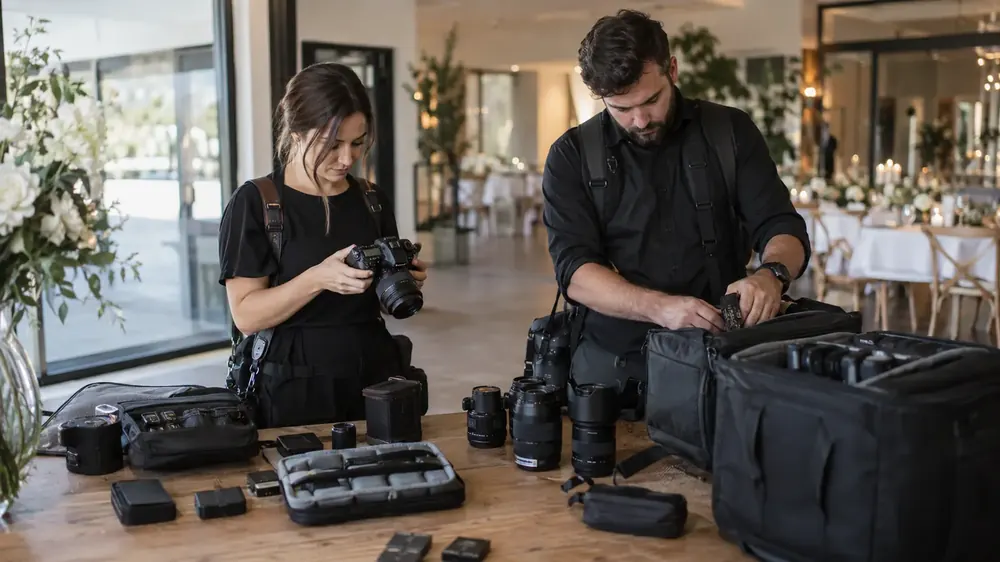
Tell your broker who will work on the booking and what services you will provide. Ask whether your policy covers second shooters, assistants and editors who work for you. Confirm who owns their equipment and who stores their files.
Some venue or client contracts require subcontractors to hold separate cover. If this applies, request their certificate of currency and check that it includes the wedding date. Workers compensation rules may apply if you employ staff; requirements depend on your state or territory.
Destination weddings and drones
Destination wedding photographer insurance may need to cover interstate or overseas travel. Check where the policy applies, how long any overseas cover lasts and what vehicle-theft rules apply.
Tell your broker about drone photography, video, photo booths, underwater work or other added services. These activities may need different cover. CASA requires registration for drones used for paid work; other licences or approvals may also apply. Check the current CASA drone rules before the booking.
Checklist
Pre-wedding insurance checklist
Run through these points before signing the venue or client contract.
- Venue requirements are in writing.
- The policy has the correct business name.
- The wedding falls within the policy period.
- Public liability meets the venue’s required limit.
- You requested the correct certificate of currency.
- Camera equipment values are current.
- You understand theft and travel conditions.
- Hired or borrowed gear is declared.
- Your broker knows about second shooters.
- Travel, drones and extra services are declared.
- Your file process matches the client contract.
- You understand excesses and exclusions.
General information notice: This article provides general information only and does not consider your objectives, financial situation or needs. Cover, limits, excesses and exclusions vary by insurer and policy wording. Legal and contract requirements can vary by state, territory, activity and business structure. Read the relevant policy documents and obtain advice before making a decision.

Frans is the Director of Grace Insurance, the company he founded in 2015 in Perth.