Business Insurance Built Around Your Photography Work
Photographer insurance can combine several types of cover. The right photography business insurance depends on what you shoot, where you work and the equipment you use.
A wedding photographer may need cover for expensive gear, and public liability cover for injury or damage at venues. A studio owner may also need cover for the premises and lost income. Photographers who advise clients or manage important files may need professional indemnity (for claims about your advice or work) or cyber insurance (for data breaches).
If you run photo booths at events, our photo booth insurance site covers booths, trailers and transport.
Grace is an insurance broker. We learn about your work, approach suitable insurers and then help you compare:
- The cover each policy gives
- The limits, meaning the most each policy will pay out
- The excess, which is the amount you may need to pay towards a claim
- The key exclusions, meaning the things a policy won't cover
Camera equipment insurance
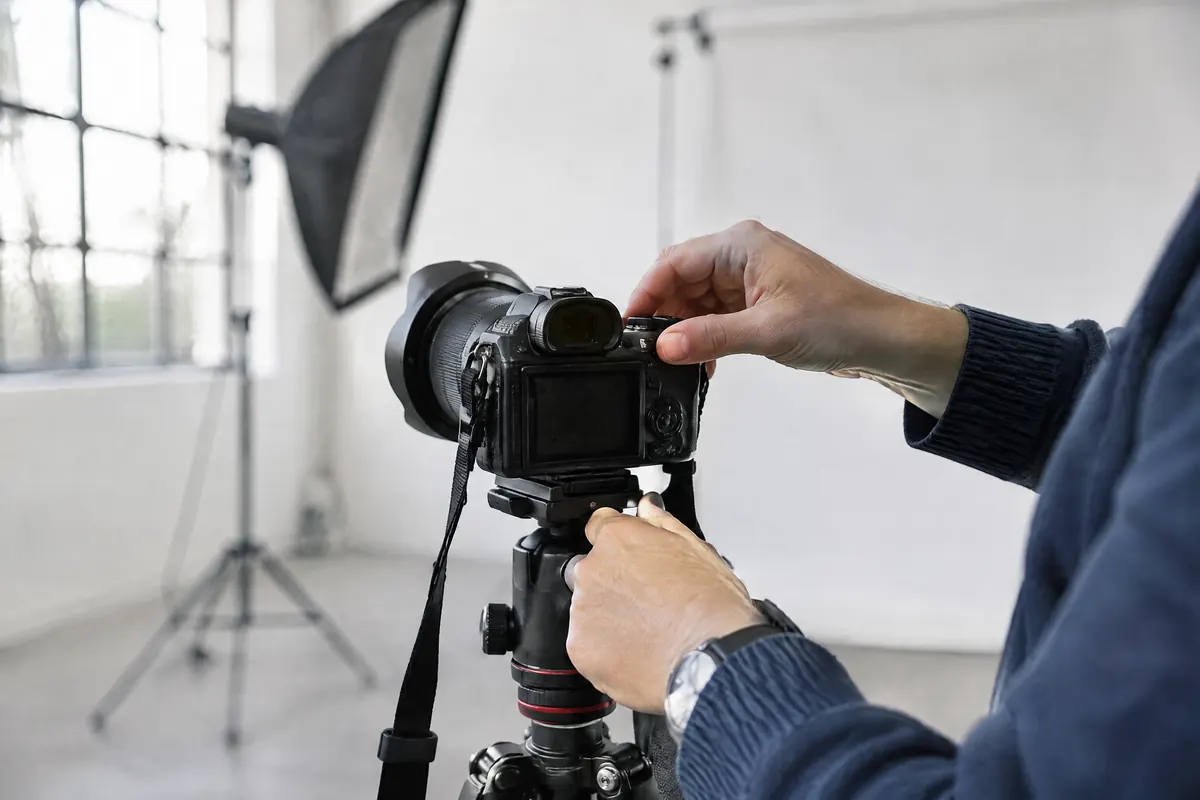
Camera equipment insurance can cover the gear you use for work. This may include camera bodies, lenses, flashes, lighting, tripods, laptops and storage devices.
Insurers may offer cover for accidental loss, damage or theft. Cover may apply at your studio, in transit (while you are moving the gear) or while you work on location. The policy terms will set where and when cover applies.
Tell your broker if you hire gear, leave equipment in a vehicle, travel overseas, work underwater or use a drone. These activities may need extra cover.
Check whether the policy pays the replacement cost of your gear or its current value. Replacement cost pays what new gear would cost, and current value allows for age and wear. You may need to list high-value items on the policy.
Public liability insurance for photographers
Public liability insurance for photographers can help with some claims from other people about injuries or damage to their property.
For example, a guest could trip over a light stand at a wedding. Your equipment could also damage flooring or furniture at a client's property.
Before the shoot, some venues want proof that your liability insurance is current. That proof is your certificate of currency.
Your own camera equipment is not covered by public liability. Nor is every complaint about your professional work.
Professional indemnity insurance for photographers
Professional indemnity insurance for photographers may help if a client claims your work caused them financial loss.
This could happen after a missed booking, lost files or failure to deliver agreed work. It may also include a dispute about an error in your professional service.
Tell your broker about the services you provide and the contracts you sign. Your broker can check how each insurer treats data, client agreements and past work.
Studio, cyber and personal accident cover
A studio may need cover for contents, glass and theft. It may also need cover for lost income if a fire or another event listed in the policy forces it to close.
Cyber insurance may help after a data breach, hacked gallery or locked cloud account. Good passwords, secure backups and limited staff access still matter.
Once you have employees, the law requires you to hold workers compensation insurance, and each state or territory runs its own scheme. Sole traders can also ask about personal accident cover for themselves.

 Perth, WA
 Dunsborough & South West WA
 Sydney, NSW
 Melbourne, Victoria
 Sunshine Coast, QLD
 Darwin, NT